
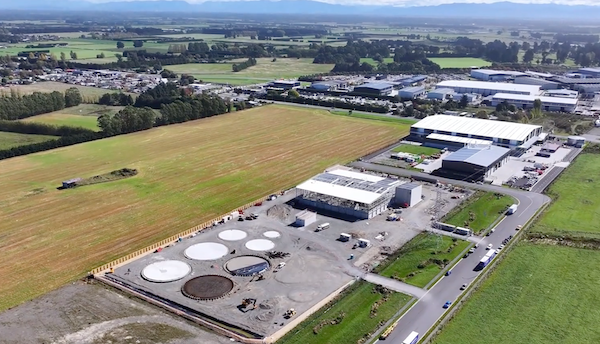
First Biogas Flows In New Zealand
New Zealand’s pioneer large-scale commercial food waste-to-bioenergy plant and circular economy hub recently began supplying biogas directly to the grid network.
New Zealand’s pioneer large-scale commercial food waste-to-bioenergy plant and circular economy hub recently began supplying biogas directly to the grid network.

The road ahead looks promising for a Danish climate-tech startup redefining highway construction by replacing fossil fuel based bitumen with low-carbon, nature-based alternatives derived from fungal mycelium.

As environmental regulations steadily become more stringent globally, a New Zealand company is wading into the sewage ponds and waterways of Britain turning raw organic waste into high value byproducts such as biogas and fertilisers.
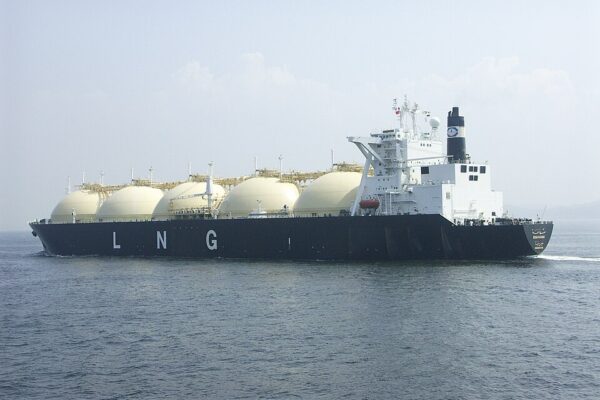
As one of the largest suppliers of energy to global markets, one might not expect Qatar to be a hotbed of climate tech activity. But the Gulf state is quietly cultivating a deep tech pillar to its economy.


It has been a huge start to the year for Carbonaide CEO Tapio Vehmas. His carbon sequestration venture not only secured a €3.7 million funding round, but also set up its first industrial scale production facility. And if that wasn’t success enough, a block of certified carbon credits from the process were also minted and…
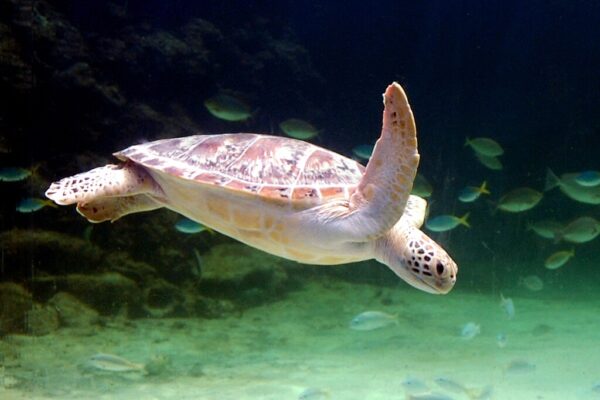
Darwin, a biodiversity startup, has recently secured funding to further develop its nature-based solutions platform. The platform leverages artificial intelligence and machine learning technologies, to address complexity around biodiversity analysis and footprint assessment for consultancies. The company’s core mission is to assist the private sector to be agents of change in the protection of global…

A complex plant alkaloid extracted from the humble daffodil has been demonstrating some extraordinary curative properties in humans. Now with the help of a $4 million investment and a collaborative research project with Lincoln University in New Zealand, the same compound is being investigated as a feed additive to reduce methane emissions from livestock. The…
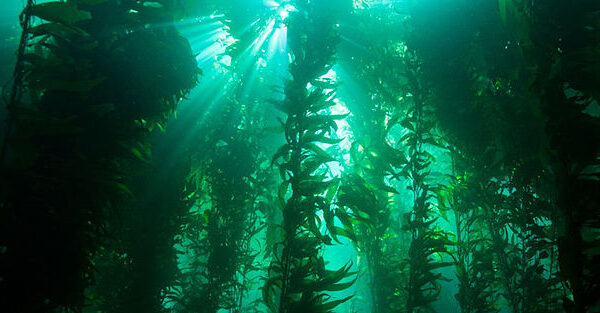
Human impacts such as over-fishing, climate change and pollution are causing sea urchins to thrive, leading to the destruction of kelp and desertification of the sea floor in places. The dramatic worldwide loss of kelp forests means fewer safe birthing grounds for many species of fish. But marine eco-farmers Urchinomics are working to turn around…
With electric and hydrogen powered vehicles not yet making a substantial impact in logistics and travel, airlines, ship owners and road freight companies have lately been pulling back from commitments to net zero emissions. The big energy companies are also rethinking their sustainable fuels strategies. But with the cost of installing solar energy dropping and…