
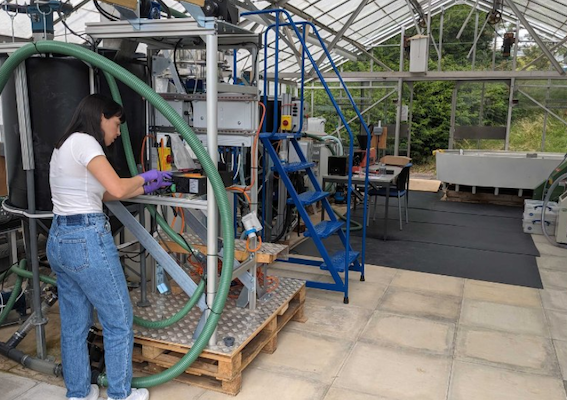
LabCycle Closes The Circle
A UK research startup that began life in an abandoned glasshouse is tackling the estimated 5.5 million tonnes of plastic waste generated annually by the world’s bioscience and clinical labs.
A UK research startup that began life in an abandoned glasshouse is tackling the estimated 5.5 million tonnes of plastic waste generated annually by the world’s bioscience and clinical labs.

As one of the largest suppliers of energy to global markets, one might not expect Qatar to be a hotbed of climate tech activity. But the Gulf state is quietly cultivating a deep tech pillar to its economy.

Currently, less than one percent of clothing is recycled back into new garments. A Stockholm-based deep-tech is joining the global charge towards re-processing mountains of textile waste.
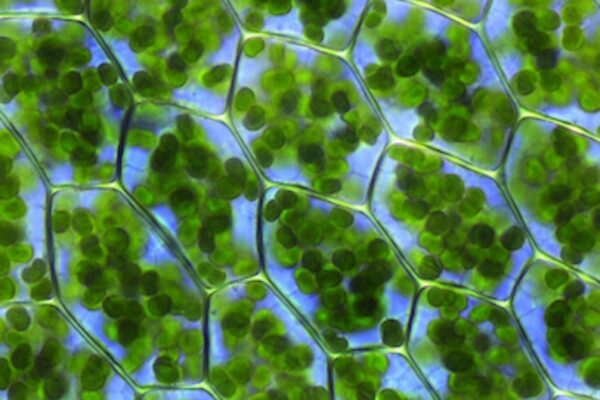
UK-Portugal greentech venture Arborea is bridging the gap between design engineering and biotechnology with a synthetic leaf that creates food directly from sunlight.
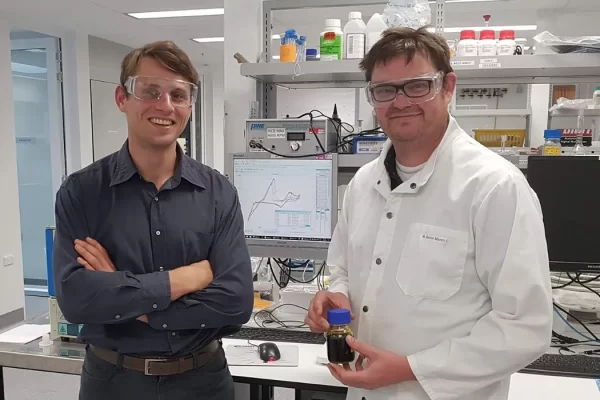
A New Zealand university spinoff venture has a bold vision to extract and recycle critical minerals from industrial waste.

A spinoff company from the Australian National University plans to shake up the garment industry through enzymatic recycling of polyester.
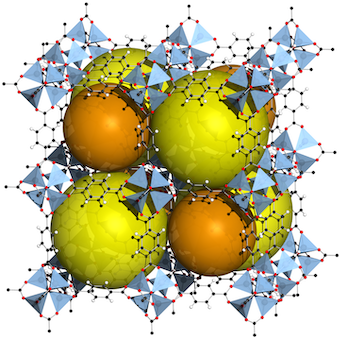

New Zealand deep tech startup Wellumio is developing a portable NMR scanner that delivers quicker patient care and better outcomes.

The recent acquisition by Salesforce of Apromore, a provider of process intelligence software, is a testament to the value created through trans-global institutional partnerships. Ironically, the deal comes at a time when the university business model is itself being challenged through the advancement of technology. Apromore sprung from over a decade of joint research led…
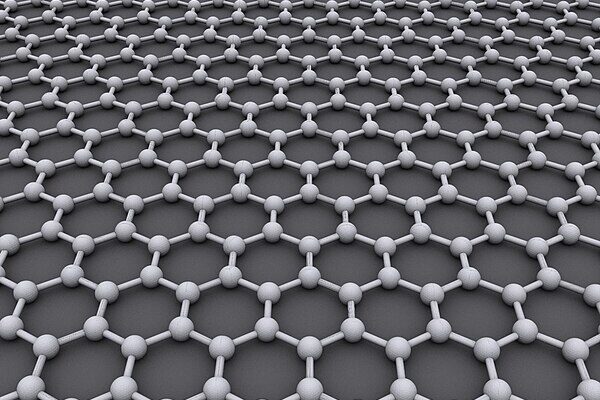
A ground-breaking joint R&D programme between The University of Manchester, UK and Khalifa University in Abu Dhabi has begun to reap rewards through publishing new research on the properties of graphene. Established in 2022, the engagement has also been a model for generating economic benefits through international collaboration between research institutions. Forming a fundamental building…