Touted as “one to watch” in biotech investor circles, German biopharmaceutical company Kupando is advancing a disruptive dual approach that could both reduce solid tumours and counter infectious diseases. Inspired by observations of animals in the wild, the therapy harnesses the body’s innate immune system.
Unlike traditional immunotherapies that focus on the adaptive immune response, Kupando utilises proprietary dual Toll-Like Receptor (TLR) 4/7 agonists. This method is designed to induce “trained immunity,” a functional state where innate immune cells undergo long-term epigenetic and metabolic reprogramming, enabling a more robust and rapid response to diverse pathogens and tumours. Their lead candidate, named KUP101, is a liposomal-formulated small molecule currently entering Phase 1b clinical studies for advanced solid tumours. The aim is to develop a “tissue-agnostic” treatment paradigm that could be applied to a wide range of cancer tumours.
Currently helmed by founder and CEO Dr. Johanna Holldack, a physician and seasoned biotech executive. Dr. Holldack earned her medical degree from Georg-August-University in Göttingen, a leading German research institution. Initially specialising in pediatrics, her academic career has included roles as an assistant professor at the University of Essen and a research associate at Harvard Medical School. Dr. Holldack has also built a reputation as a “serial” biotech entrepreneur and savvy operator, having successfully led companies such as MediGene AG, Telormedix SA, and Borean Pharma. She also served as board chair at Amal Therapeutics, a successful Geneva University spin-off acquired by Boehringer Ingelheim in 2019 for a total deal value of up to €425 million.
Interested in science research commercialisation? Click on this invite link to join our free research and business collaboration channel on Discord. Meet potential co-founders, investors and industry contacts.
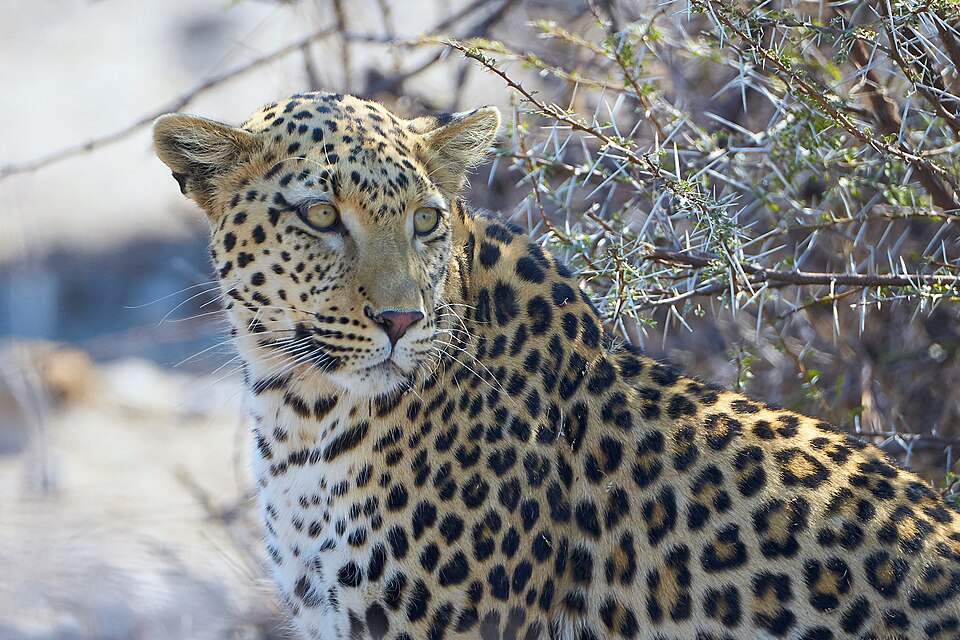
During a trip to Kenya, Holldack observed the natural resilience of wild animals relying solely on innate defense mechanisms. Animals appear to thrive in environments with high pathogen loads by utilising their innate immune systems. The company was founded in 2018, inspired by the thought that a host-directed therapy could train and boost the innate immune system in humans. Kupando is derived from the Swahili for “planting, growing and climbing”. An apt metaphor for conceiving how such a therapy could be delivered to patients.
Under her leadership, Kupando recently secured venture funding, totaling €23 million. The venture utilises translational research, such as the TLR technology pioneered in Prof. Dennis Carson’s lab at UC San Diego – itself the source of numerous biotech spin-offs. Seed funding for the venture was originally provided by High-Tech Gründerfonds – one of the most active seed investors in European deep tech. The recent series A funding, led by Remiges Ventures and LifeCare Partners, will advance Kupando’s lead drug candidate, KUP101, into Phase 1b clinical trials for solid tumours and accelerate pre-clinical programs for infectious diseases.
Genius ReFi connects researchers, entrepreneurs, investors and industry to build high value science-based ventures.
Click here to join our free collaboration channel on Discord
Image credit: Axel Tschentscher, CC BY-SA 4.0, via Wikimedia Commons.