Sunny Future For Synthetic Leaf Venture
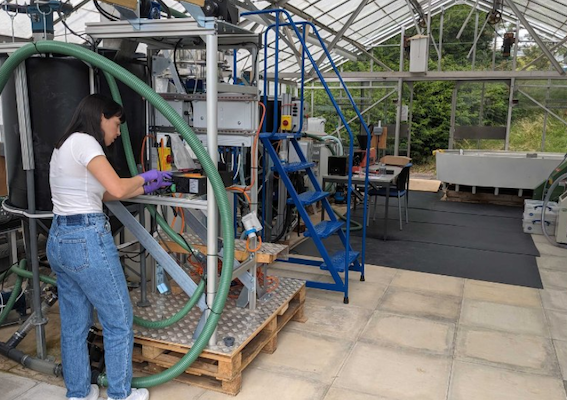
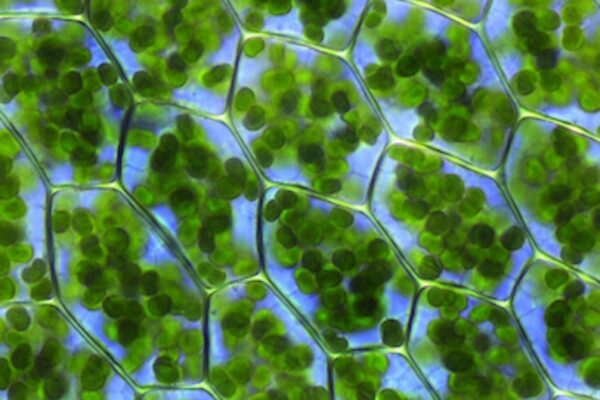
UK-Portugal greentech venture Arborea is bridging the gap between design engineering and biotechnology with a synthetic leaf that creates food directly from sunlight.
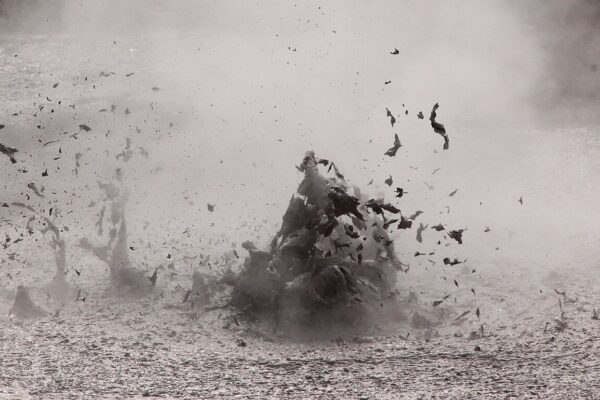
A New Zealand university spinoff venture has a bold vision to extract and recycle critical minerals from industrial waste.
A spinoff company from the Australian National University plans to shake up the garment industry through enzymatic recycling of polyester.
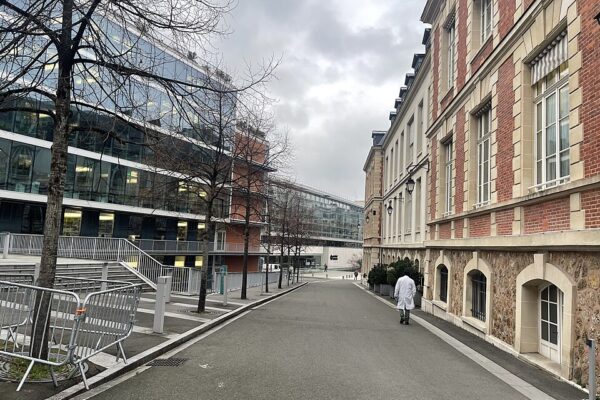
A Swedish biotech startup is making waves in the field of 3D “spatial biology” for transcriptomics – a game changer for accelerated development of drug therapies.
A ground-breaking joint R&D programme between The University of Manchester, UK and Khalifa University in Abu Dhabi has begun to reap rewards through publishing new research on the properties of graphene. Established in 2022, the engagement has also been a model for generating economic benefits through international collaboration between research institutions. Forming a fundamental building…
Surfactants have a wide range of applications within households, such as soap, dishwashing liquid and cosmetics. But the current production process is carbon-intensive and waste water flows containing surfactant can be harmful to the environment. But recently a student team from France has been developing a greener alternative that could replace current surfactant chemicals. Made…
Development of fusion energy has been frustratingly just over the horizon for decades. But a New Zealand physics engineering research company delivered on its promise this week by creating first plasma with an edgy reactor design. Now the challenge is to scale the technology. OpenStar Technologies joins the ranks of stellar ventures mythically founded in…
A complex plant alkaloid extracted from the humble daffodil has been demonstrating some extraordinary curative properties in humans. Now with the help of a $4 million investment and a collaborative research project with Lincoln University in New Zealand, the same compound is being investigated as a feed additive to reduce methane emissions from livestock. The…
Metal–oxide–semiconductor field-effect transistors (MOS-FETs) form the basis of modern integrated circuits due to their versatility and high density. The foundational technology dates back a century, but it was not until the early 1960s when breakthroughs in semiconductor chemistry allowed the development of the first working transistors, which subsequently evolved into the silicon micro-circuitry that we…