A Swedish biotechnology startup is making waves in the field of “spatial biology” by moving beyond traditional 2D imaging to provide true 3D spatial transcriptomics. The technology could be a game changer for accelerated development of drug therapies.
Founded in 2024, CubaseBio boasts two research pioneers in the field of DNA microscopy as scientific advisory co-founders. Joshua Weinstein (Assistant Professor of Molecular Engineering at UChicago) and Prof Björn Högberg (Head of the department of Medical Biochemistry and Biophysics at the Karolinska Institute, Sweden). Co-founders Dr. Malte Kuhnemund and Dr. Xiaoyan Qian, previously built Cartana, a spinout from Stockholm’s molecular biosciences cluster SciLifeLab. The company developed in situ 2D sequencing and was subsequently acquired by 10X Genomics for over $40 million. The transaction is sometimes cited as a textbook example of how Sweden’s academic infrastructure converts high-level research into commercial value.
Transcriptomics is the large-scale study of the transcriptome, the complete set of all RNA molecules expressed by a cell, tissue, or organism at a specific moment in time. While DNA (the genome) is mostly static and the same in every cell, the transcriptome is dynamic. It changes constantly based on environmental factors, disease, or even the time of day. By extracting and sequencing the RNA, researchers and clinicians can see exactly which genes are being expressed and how active they are. In many respects transcriptomics bridges the gap between what a cell could do (DNA) and what it is actually doing (Protein).
Interested in science research commercialisation? Click on this invite link to join our free research and business collaboration channel on Discord. Meet potential co-founders, investors and industry contacts.
Applications include, single-cell analysis on a molecular level, cancer diagnosis and testing for drug response where harmful genes are targeted. In the past, transcriptomics required blending extracted tissue into a “RNA soup” (Bulk RNA-Seq). This highlights active genes but loses information about specific location. However, spatial transcriptomics (the field CubaseBio operates in) allows a view of the transcriptome while keeping the tissue structure intact. Recent research also demonstrated that two dimensional (2D) models can lead to “false negatives” in drug trials. For example, a drug might look effective in a 2D slice, but in a 3D environment (like an organoid or an actual tumour), the physical density of the tissue or the way neighbouring cells interact with each other in 3D might actually protect the cancer.
Leading research organisations such as the Max Planck Institute are increasingly interested in targeting cancer cell RNA as a therapy. 3D bioimaging more clearly illustrate how a drug penetrates a complex 3D structure, leading to better predictive results prior to human trials of new medicines. This also represents a powerful value proposition for pharmaceutical companies interested in acquiring new approaches for accelerating drug development. CubaseBio recently secured €5.9 million in blended financing comprising €3.9 million in private capital and a €2 million non-dilutive grant from the European Innovation Council Transition programme. Transition sits within Horizon Europe, targeting validation and commercialisation of novel science technologies.
Genius ReFi is a collaborative platform for researchers, investors, entrepreneurs and industry players interested in the commercialisation of science.
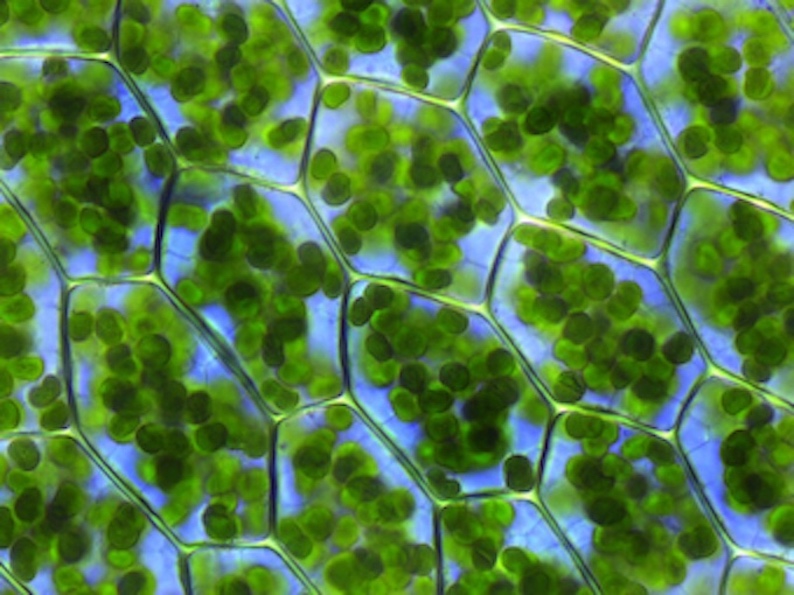
Image credit: Arild Vågen, CC BY-SA 3.0 , via Wikimedia Commons